Every year, from about late January to March, hundreds of thousands of wildebeest calves are born on the short-grass plains of the southern Serengeti and the Ndutu area of the Ngorongoro Conservation Area. It is one of the most spectacular wildlife events in Africa, and one of the best times to see predators in action.
When does calving happen?
The herds arrive on the southern plains with the short rains, usually in December. Calving peaks in February, when most calves are born within a few weeks. The exact timing depends on the rain and changes a little from year to year.
Why the southern plains?
The volcanic soils of the short-grass plains produce grass rich in minerals, perfect for nursing mothers. Calves can stand within minutes of birth and run with the herd soon after, which helps protect them from predators.
Predators
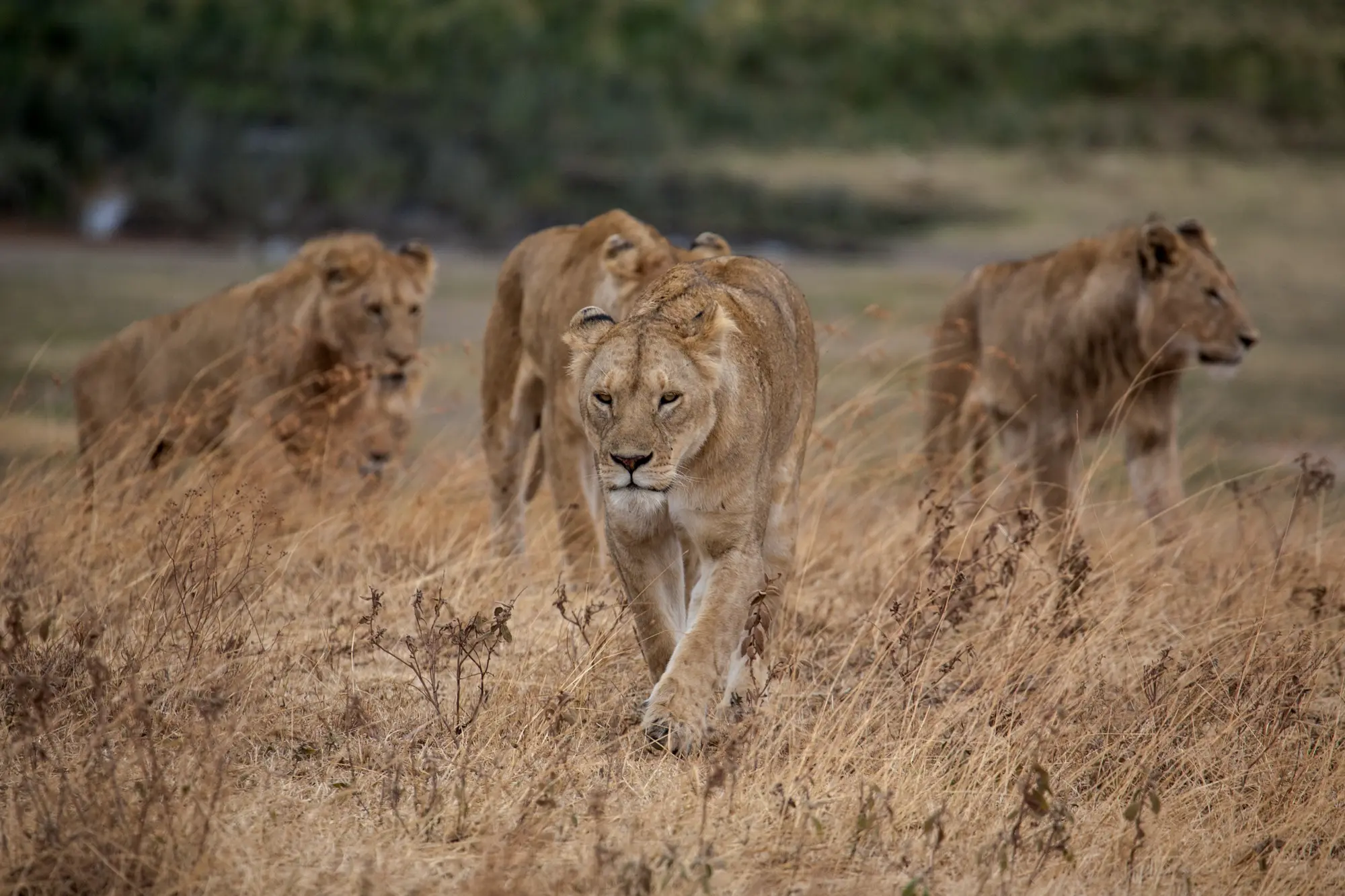
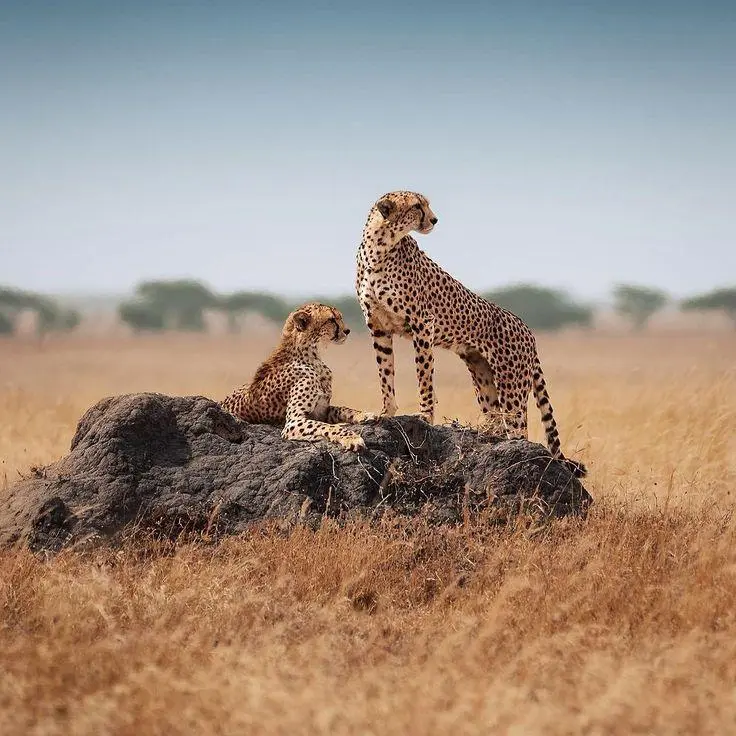
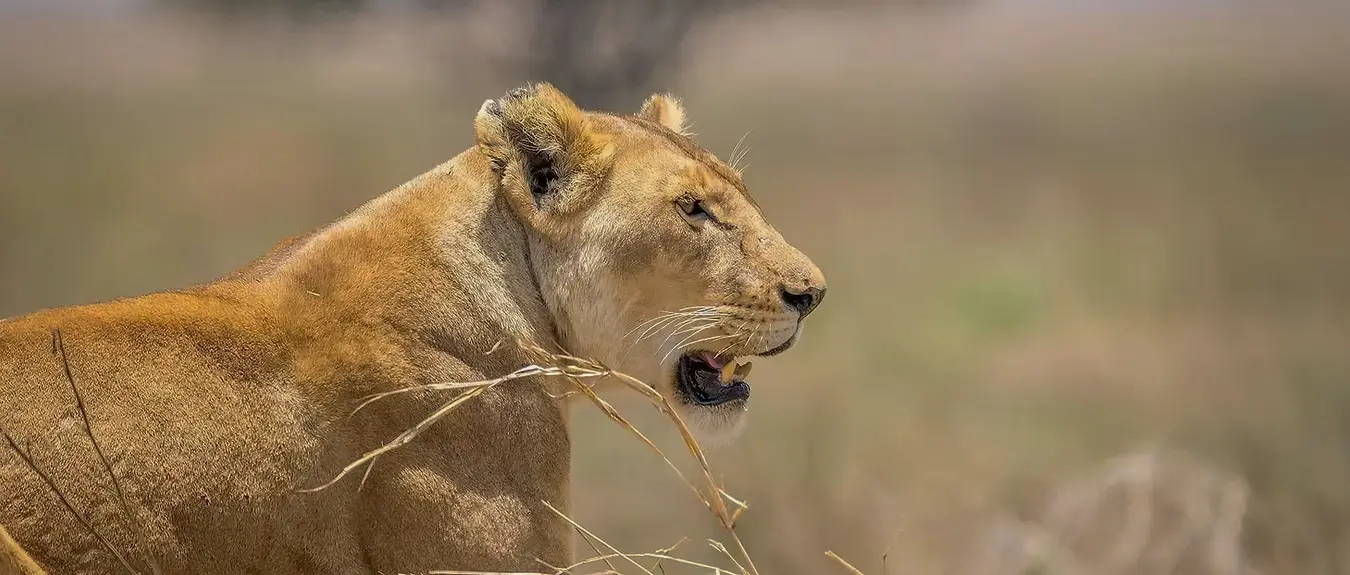
So much young prey attracts lions, cheetahs, spotted hyenas, jackals and wild cats. Cheetahs are especially easy to see on the open plains. Many visitors witness a hunt during calving season, which can be dramatic and emotional.
Where to go
- Ndutu: in the Ngorongoro Conservation Area, on the edge of the Serengeti, with lakes, woodland and open plains. It is the heart of the calving area.
- Southern Serengeti plains: around Naabi Hill and the Gol Kopjes.
The area is reached by road from the Ngorongoro Crater, or by flying into a nearby airstrip.
What else to expect
- Warm, green and often sunny weather, with occasional afternoon storms.
- Large herds of zebras alongside the wildebeest.
- Fewer vehicles than the peak dry season.
- Excellent photography, with green plains and dramatic skies.
Planning tips
- Book early: camps in the Ndutu area are limited and popular in February.
- Spend at least two or three nights in the area.
- Combine with the Ngorongoro Crater and the central Serengeti.
Read our month-by-month migration guide, see our Serengeti migration safaris, or plan a calving season safari.
Frequently asked questions
When is the wildebeest calving season?
Roughly late January to March, with the peak usually in February.
Where does calving happen?
On the short-grass plains of the southern Serengeti and the Ndutu area of the Ngorongoro Conservation Area.
Is calving season good for predators?
Yes. Lions, cheetahs and hyenas are very active, and hunts are often seen.