Experience

Walking safari

A guided walk with an armed park ranger, reading tracks and learning the small things you miss from a vehicle.

Where
Arusha National Park, Ngorongoro highlands, Tarangire area
How long
2 to 4 hours, or a full day for the Empakaai crater hike
Best time
June to October and January to February, when paths are dry
Good for
Active travellers, returning safari guests and families with older children
Overview

What to expect

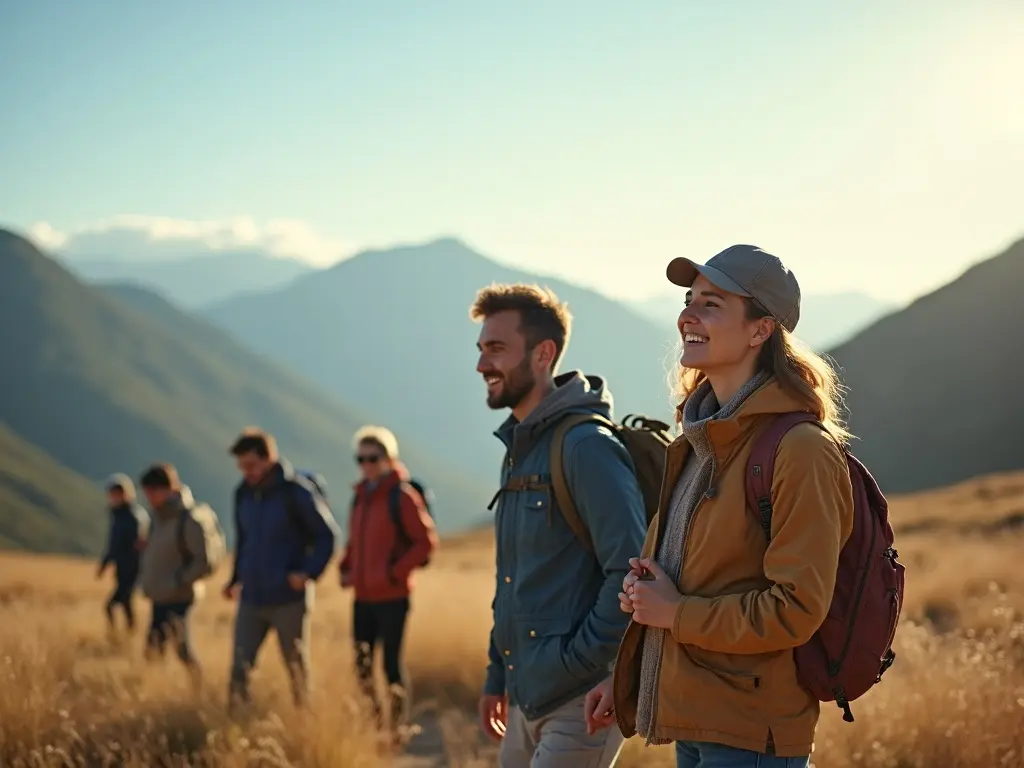
On foot, a safari slows down. You notice dung beetles, bird calls, the smell of wild sage and the tracks crossing the path from the night before. An armed ranger leads, and your guide walks with you to explain what you are seeing.

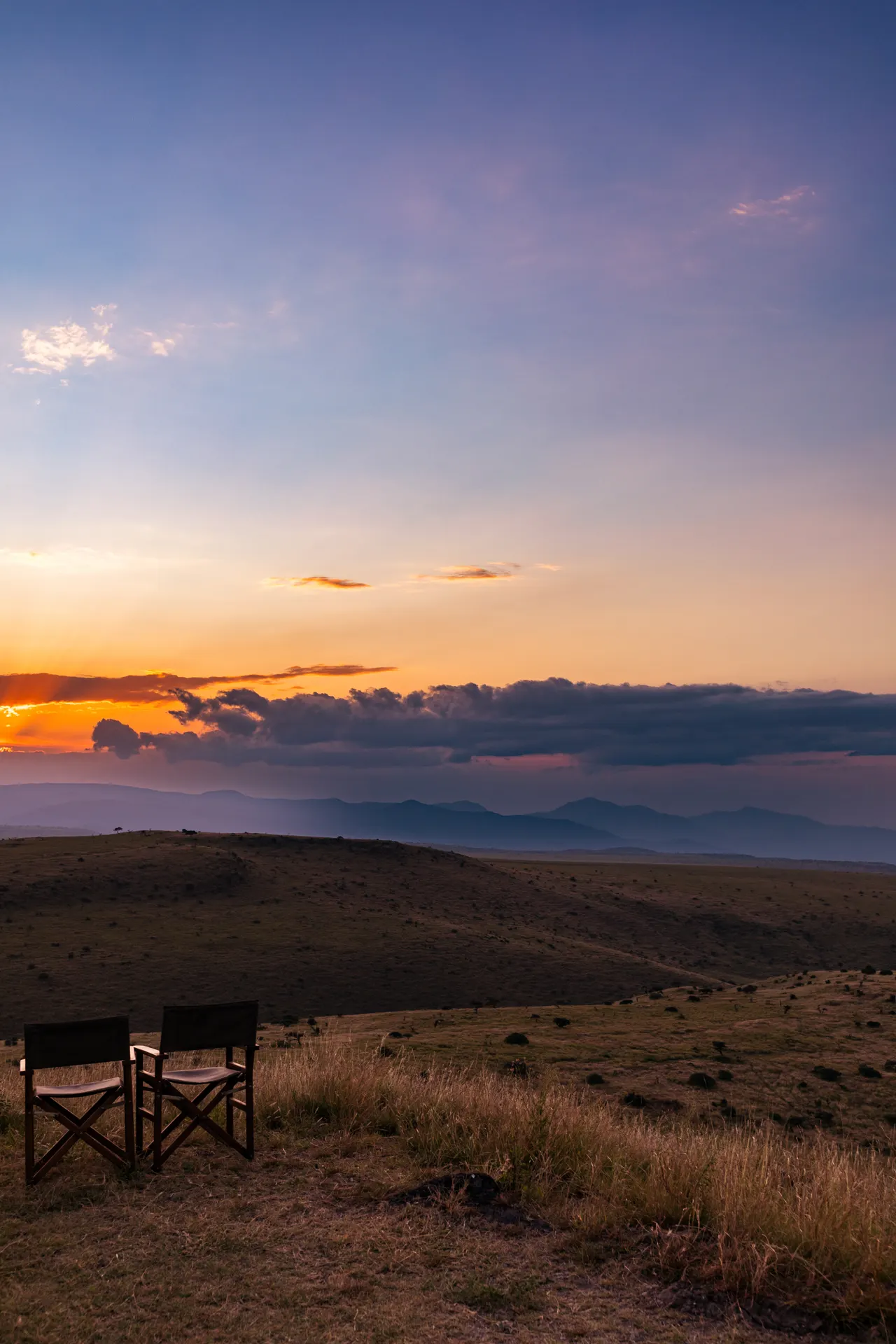
In Arusha National Park walks cross open grassland where giraffe and buffalo graze below Mount Meru. In the Ngorongoro highlands you can hike down into Empakaai crater to its soda lake. Around Tarangire, walks run in areas outside the main park roads.

Walks are paced for the group. Nobody runs, and the ranger keeps a safe distance from larger animals.

Highlights

Why guests love it

  • Tracks, dung and signs explained as you go
  • Giraffe and buffalo on foot in Arusha National Park
  • The crater rim and soda lake of Empakaai
  • Birds, insects and plants you miss from a vehicle
  • Easy to add to any northern safari
How the day runs

A typical outing

  1. 07:00Meet the rangerSafety briefing at the park gate or ranger post.
  2. 07:30Start walkingSingle file behind the ranger, with stops to read tracks and signs.
  3. 09:00Rest stopA break at a viewpoint or under shade, with water and a snack.
  4. 10:30Back to the vehicleYour guide meets you and the safari continues by road.

Times are a guide and change with the season, the park and your lodge.

Planning the details

Make the experience part of your journey

Choose the walk for the experience you want

A short nature walk and a longer highland hike should not be treated as interchangeable. On a shorter walk, the interest may be tracks, plants, birds and the chance to see a familiar landscape at ground level. A crater hike adds a more substantial walking day and a different terrain profile.

Tell us how long your party would enjoy walking, whether steep ground is comfortable and what interests you most. We can discuss an appropriate area before arranging the ranger, guide and transfers. The advertised duration is only a starting point for that conversation.

Make space in the safari route

A walk is often best placed before or after a driving day, with enough time for the briefing and return journey. It can be a welcome change after several game drives, but it should not turn a relaxed itinerary into a rushed transfer. A longer hike deserves a day of its own.

What the outing is about

The aim is to notice a smaller world, not to approach large animals as closely as possible. Your ranger determines the route and the distance to wildlife. Conditions can change the plan, and a quieter walk can be as rewarding as one with frequent sightings.

What we confirm for your party

  • The walking area, expected terrain and approximate time on foot.
  • Ranger or local guide arrangements and the transport to the starting point.
  • Whether packed food and drinking water are part of your day's plan.
  • The activity's child policy and any practical requirements for the route.
Questions

Walking safari: questions

Is a walking safari safe?

Walks are led by an armed park ranger who knows the area and keeps a safe distance from larger animals. Listen to the briefing and stay in single file.

How fit do we need to be?

Most walks are gentle, on flat or rolling ground. The Empakaai crater hike is steep on the way back up and needs good fitness.

Can children join?

Most parks set a minimum age of 12 for walking safaris. We can suggest shorter nature walks for younger children.

Free safari proposal

Make this part of your safari

Tell us your dates and we will build the route, lodges and timing around it.