The Serengeti is Tanzania's most famous national park and one of the best places in Africa to watch wildlife. Its name comes from the Maasai word for "endless plains", and it covers almost 15,000 km² of grassland, acacia woodland, rocky kopjes and river forest. It is home to the Great Migration and to one of the largest lion populations on the continent.
The main areas of the Serengeti
Central Serengeti (Seronera)
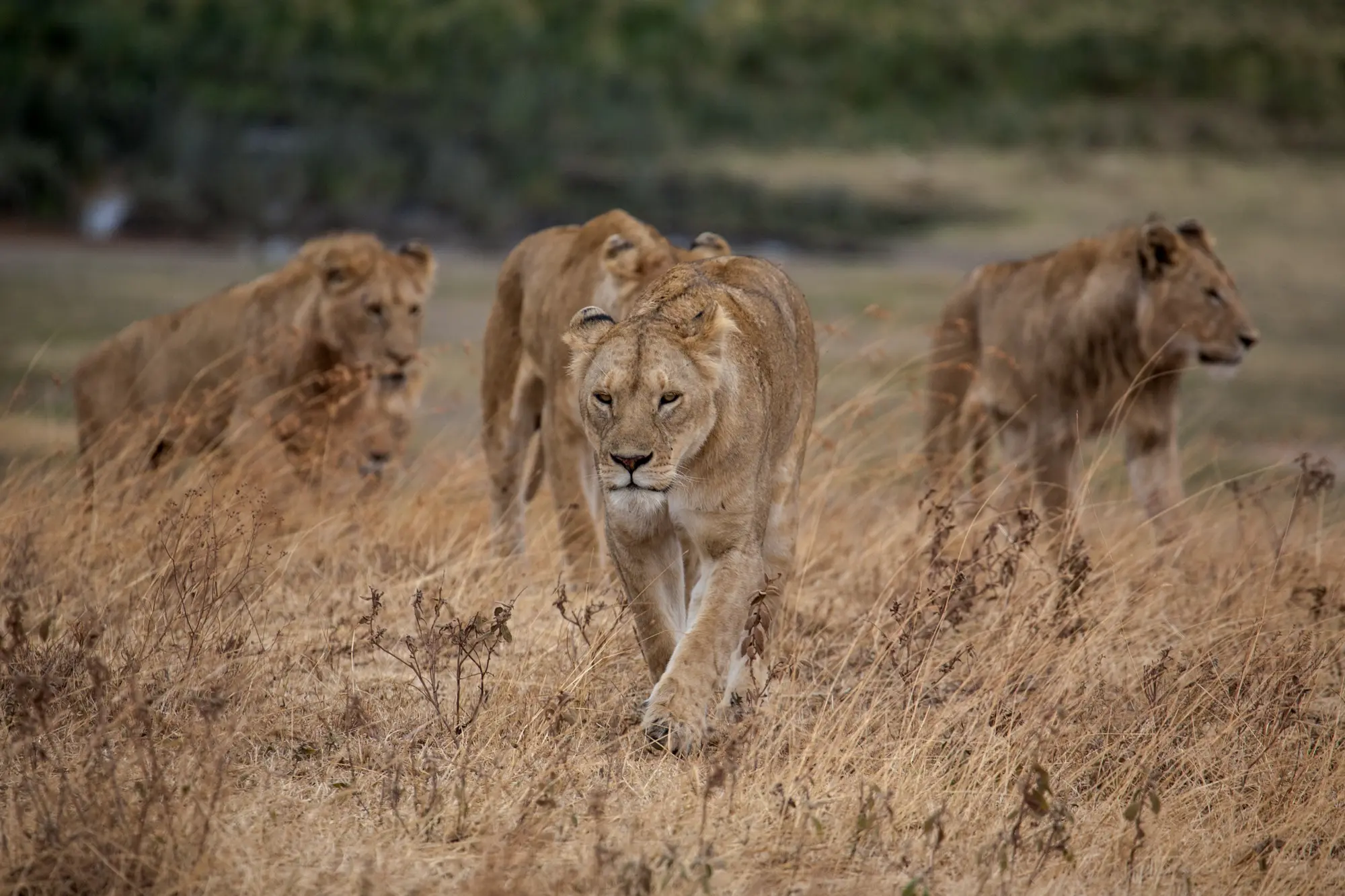
The Seronera River valley is the heart of the park and good all year. Resident lions, leopards in the sausage trees along the river, cheetahs on the plains and large herds of buffalo and giraffe make it the best area for a short visit.
Southern Serengeti and Ndutu
The short-grass plains in the south host the migration and the calving season from roughly December to March. Outside those months the area is quieter.
Western Corridor
A long strip of the park running towards Lake Victoria, crossed by the Grumeti River. The migration passes through around June and July.
Northern Serengeti
Remote and beautiful, with rolling hills along the Mara River. This is where the river crossings happen from about July to October.
Wildlife in the Serengeti
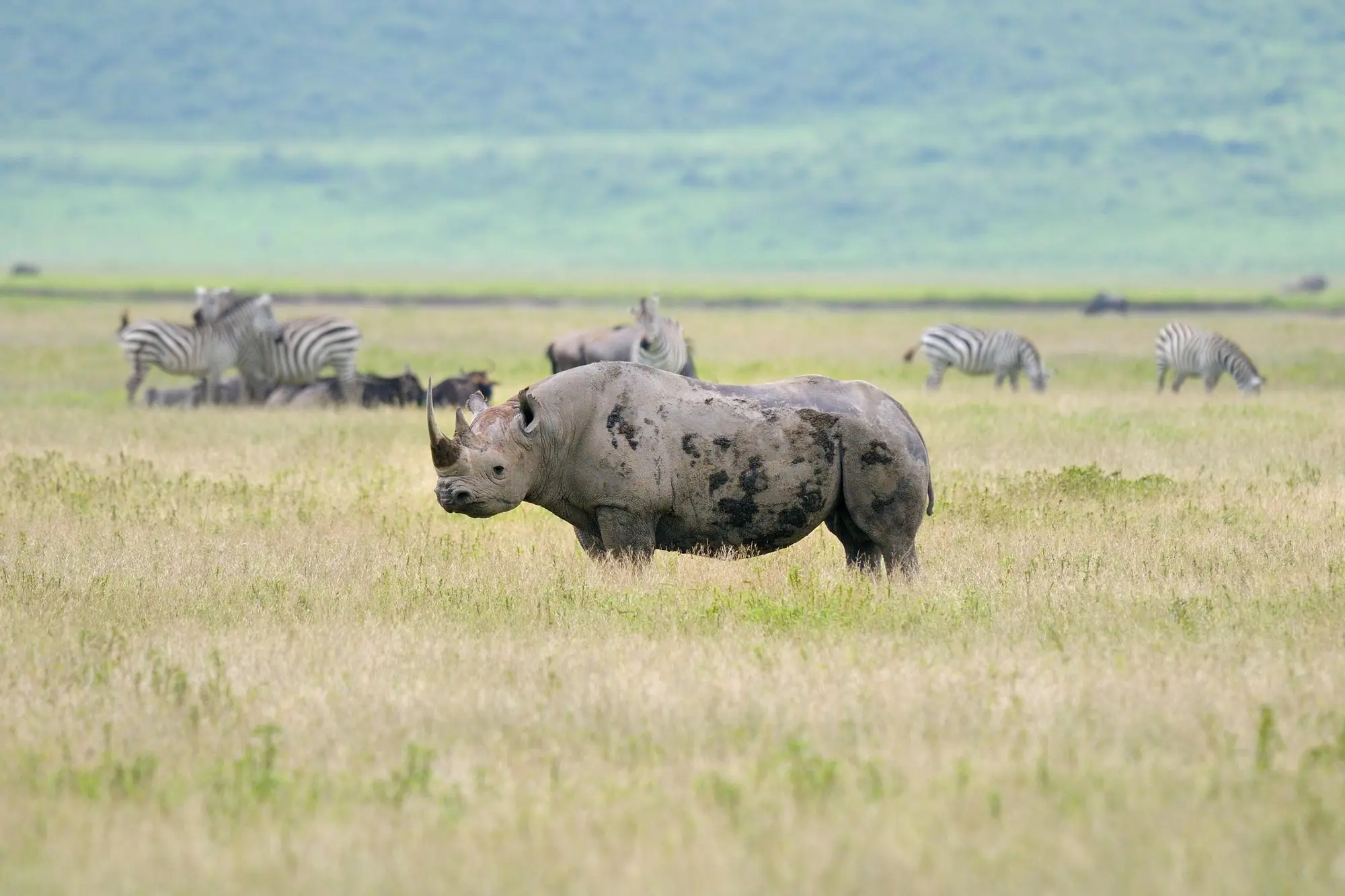
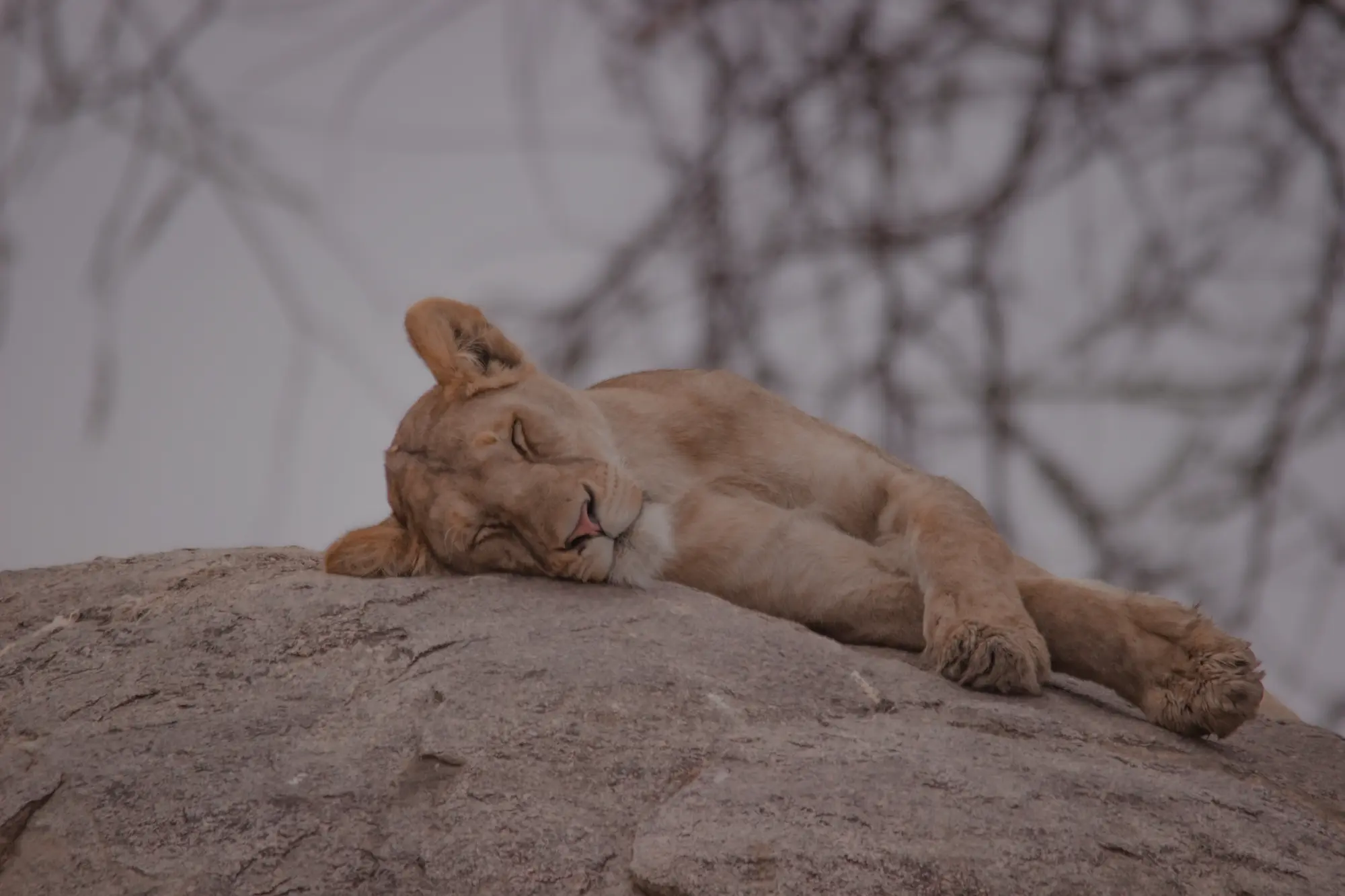
All of the Big Five live in the Serengeti, although rhinos are rare and hard to see here (the Ngorongoro Crater is better for rhinos). Lions are often seen on the granite kopjes, cheetahs hunt on the open plains and leopards rest in trees along the rivers. You will also see elephants, giraffes, hippos, hyenas, jackals, topi, eland and more than 500 bird species. Read more in our guide to big cats in the Serengeti.
Best time to visit the Serengeti
The Serengeti is excellent all year, but the best area changes with the seasons. For the river crossings, visit the north from July to October; for calving, the south from January to March; for resident wildlife without crowds, the central Serengeti in the green season. See our month-by-month migration guide.
How many days do you need?
Plan at least two full nights in the Serengeti; three or four is better if you want to follow the migration. The drive from Arusha takes most of a day, so most of our itineraries combine the Serengeti with Tarangire or Lake Manyara on the way and the Ngorongoro Crater on the way back. See our guide to how many days you need.
Getting to the Serengeti
- By road from Arusha: about 7–8 hours to Seronera, broken up with stops and a game drive. The drive through the Ngorongoro highlands is spectacular.
- By air: daily scheduled flights connect Arusha and Zanzibar with Serengeti airstrips such as Seronera in about one to two hours. See our Serengeti from Zanzibar safaris.
Where to stay
The Serengeti has everything from public campsites to tented camps and luxury lodges. On our itineraries you might stay at Nyani Campsite, Serengeti Safari Haven Camp or Meliá Serengeti Lodge, depending on the comfort level you choose. See our lodges and camps.
Ready to go? Browse our Serengeti safaris or plan your own route.
Frequently asked questions
How many days do you need in the Serengeti?
At least two nights, ideally three or four if you want to follow the migration or visit more than one area of the park.
Can you see the Big Five in the Serengeti?
Lions, leopards, elephants and buffalo are seen regularly. Rhinos are rare in the Serengeti; the Ngorongoro Crater is the best place to see them.
How do you get to the Serengeti?
By road from Arusha in about seven to eight hours with game viewing on the way, or by light aircraft from Arusha or Zanzibar in one to three hours.