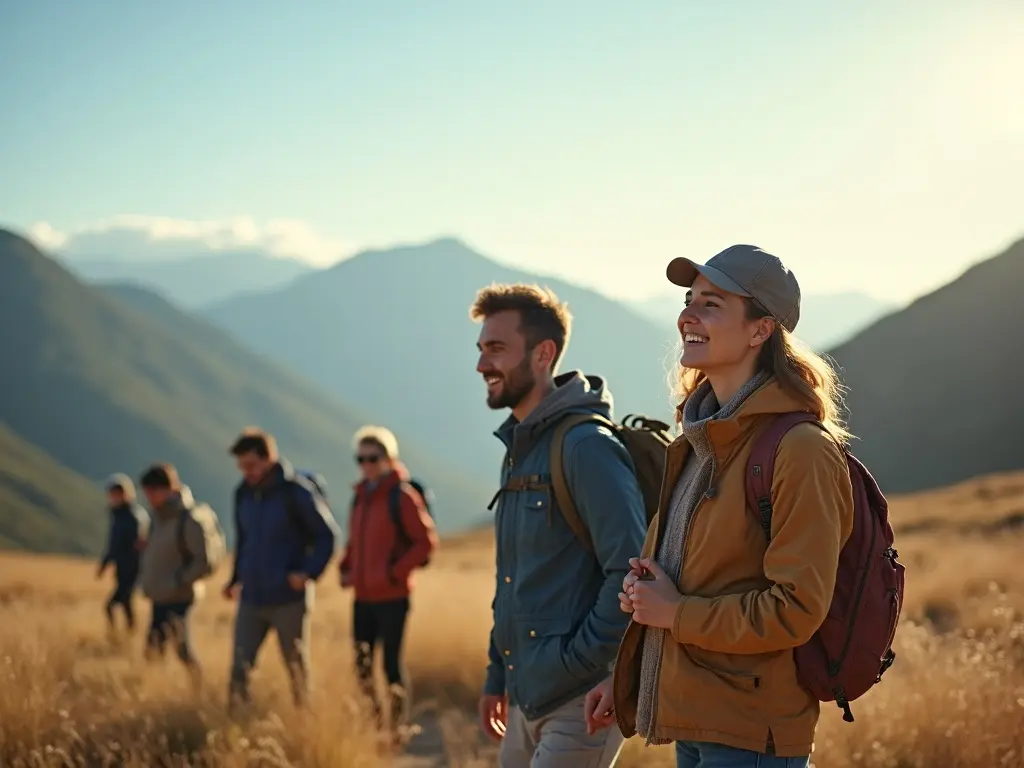
A safari in northern Tanzania is a healthy, outdoor holiday, and most travellers have no health problems at all. A little preparation goes a long way. This is general guidance only: speak to your doctor or a travel clinic six to eight weeks before you travel.
Vaccinations
- Routine vaccinations should be up to date (tetanus, diphtheria, polio, measles).
- Commonly recommended: hepatitis A and typhoid; your doctor may also suggest hepatitis B and rabies.
- Yellow fever: a certificate is required if you arrive from, or transit for more than 12 hours through, a country with a risk of yellow fever, such as Kenya. See our entry requirements guide.
Malaria
Malaria is present in much of Tanzania, including the safari areas and Zanzibar, although the risk is lower in the cooler highlands.
- Ask your doctor about anti-malarial tablets and take the full course.
- Use insect repellent with DEET or picaridin, especially from dusk.
- Wear long sleeves and trousers in the evening.
- Sleep under a mosquito net where one is provided; most lodges have them.
- See a doctor promptly if you develop a fever during or after your trip.
Food and water
- Drink bottled or filtered water only. We provide drinking water in the vehicle.
- Lodge and camp kitchens are used to international visitors; food is generally safe.
- Bring rehydration sachets and something for upset stomachs, just in case.
Sun and heat
You are close to the equator, and the sun is strong even when it feels cool. Wear a hat, sunglasses and sunscreen, and drink plenty of water during game drives.
Altitude
The Ngorongoro Crater rim is at about 2,300 metres. Most people notice nothing more than cooler air, but take it easy if you feel short of breath.
Insects and animals
- Tsetse flies can bite in wooded areas such as Tarangire. Avoid dark blue and black clothing.
- Always follow your guide's instructions near wildlife and stay in the vehicle unless told otherwise.
Medical care and insurance
Arusha has good private hospitals and clinics. In remote parks, serious cases may need evacuation by air, so make sure your travel insurance includes medical evacuation. Our guides carry a first-aid kit and are in radio contact throughout the day.
Read our packing guide for a health checklist, or ask us any question before you travel.
Frequently asked questions
Do I need malaria tablets for a Tanzania safari?
Malaria is present in most safari areas and on Zanzibar. Ask your doctor about anti-malarial tablets before you travel.
Is the water safe to drink on safari?
Drink bottled or filtered water only. We provide drinking water in the vehicle.
Do I need travel insurance?
Yes. Comprehensive travel insurance with medical evacuation cover is essential for any safari.